

Table of Contents (4 sections)
Decoding Lash Extension Material Names
Marketing labels in the lash industry can cause confusion. Terms like 'mink' or 'silk' historically referenced natural animal furs or fabrics, but modern professional salons rely almost exclusively on premium cruelty-free synthetic polymers called PBT.
If cruelty-free products or sensitive skin are priorities for you, asking your stylist about their product sourcing gives clear peace of mind. High-quality synthetic fibres mimic natural hair softness without animal products or allergen risks.
What Actually Determines Lash Quality
- Look past marketing buzzwords and ask about fibre weight and diameter.
- Ensure the lash diameter matches what your natural hair can comfortably carry.
- Consider the eye pads, medical tape, and cleansers used, as these also touch your skin.
- Mention any vegan or cruelty-free preferences when booking your consultation.
Sarah's Practical Perspective in Graz
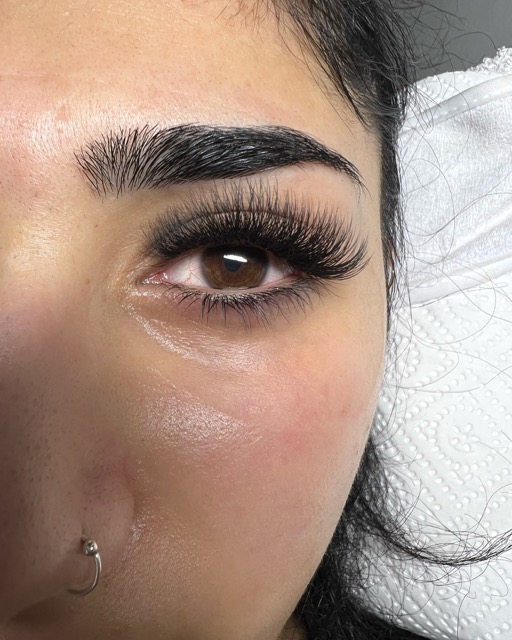
At her Graz studio, Sarah approaches material choices with common sense. She evaluates how the lashes feel, whether the curl holds up through daily washing, and whether the weight protects natural lash health.
A label like 'mink' sounds luxurious, yet it provides zero guarantee of better retention or comfort. Clean craftsmanship, lightweight sizing, and precise isolation remain the true hallmarks of a great set.
Frequently Asked Questions
Are silk lash extensions made from real silk?
Almost never. In modern lash studios, 'silk' refers to a synthetic PBT fibre with a slightly glossy sheen and tapered tip, not animal-derived silk fabric.
Are synthetic lash extensions of lower quality?
No. High-grade synthetic polybutylene terephthalate (PBT) fibres are the salon gold standard because they hold curl reliably, feel featherlight, and are hypoallergenic.
What factors matter more than marketing names?
Fibre diameter, base weight, curve retention, gentle adhesive application, and correct mapping matter far more than buzzwords like 'mink' or 'cashmere'.
Sources and notes (2)
All facts and recommendations were verified using official guidelines and scientific sources.