


Table of Contents (6 sections)
At a Glance
What Lash Mapping Really Means
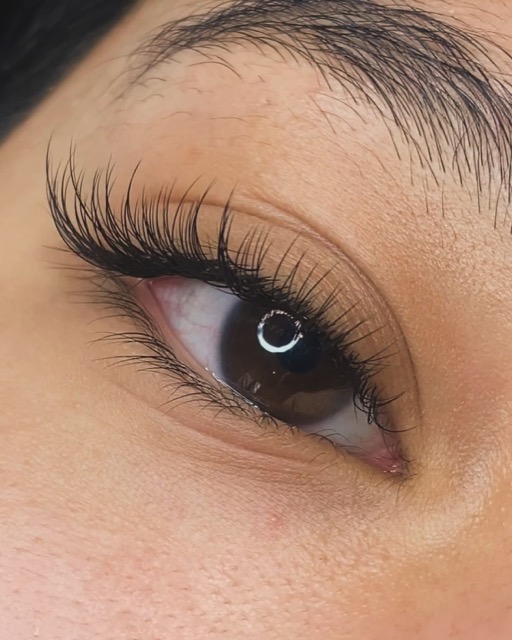
Lash mapping is the architectural blueprint of an extension set. Before applying a single fiber, the lash artist marks distinct length and curl zones directly onto the eye pad. Mapping balances inner corner transitions, creates a flattering apex above the iris, and tapers off at the outer corners to prevent drooping.
Without an intentional map, a set quickly turns into an unruly wall of identical lengths that drags the outer corners downward.
Natural Lashes Set Clear Boundaries
An extension can only stay stable if the underlying natural lash is thick and mature enough to support it. Applying long, dense volume fans to weak baby lashes leads to twisting, drooping, and traction damage. Clinical studies on ocular aesthetics consistently stress that extension weight must match natural follicle diameter.
Why Professional Knowledge Matters
Ophthalmic publications warn of dry eye flare-ups and blepharitis when excessive adhesive or oversized fibers prevent complete eyelid closure during sleep. Safe lash artistry respects the eyelid anatomy and allows full, effortless blinking.
What Sarah Observes in the Studio
Frequently Asked Questions
How does a lash artist determine the right lash map?
By examining your eyelid crease, eye spacing, eye slant, and the density and growth direction of your natural lashes.
Can long extensions damage my natural lashes?
Yes. Extensions exceeding your natural lash length by more than two to three millimeters or carrying excessive weight strain the hair root, causing premature shedding and follicle weakening.
What is the difference between cat eye and doll eye mapping?
Cat eye places the longest lengths toward the outer third to elongate the eyes, while doll eye centers the longest lengths above the pupil to create a wide-eyed, open look.
Why do my extensions twist and flip sideways?
Twisting usually happens when extensions are too long for the natural hair, applied off-balance, or outgrown by several millimeters at the lash base.
Sources and notes (4)
All facts and recommendations were verified using official guidelines and scientific sources.
Helpful links
Book appointment