


Table of Contents (8 sections)
| Desired Effect | Recommended Choice |
|---|---|
| Understated, soft, and makeup-free | Espresso or dark mocha brown |
| Subtle lift with gentle root definition | Brown-black blend |
| Clear eyeliner contour and high contrast | Classic jet black |
| Warm tone to flatter blonde or copper hair | Caramel, chestnut, or honey brown |
Why Brown Lash Extensions Look Softer
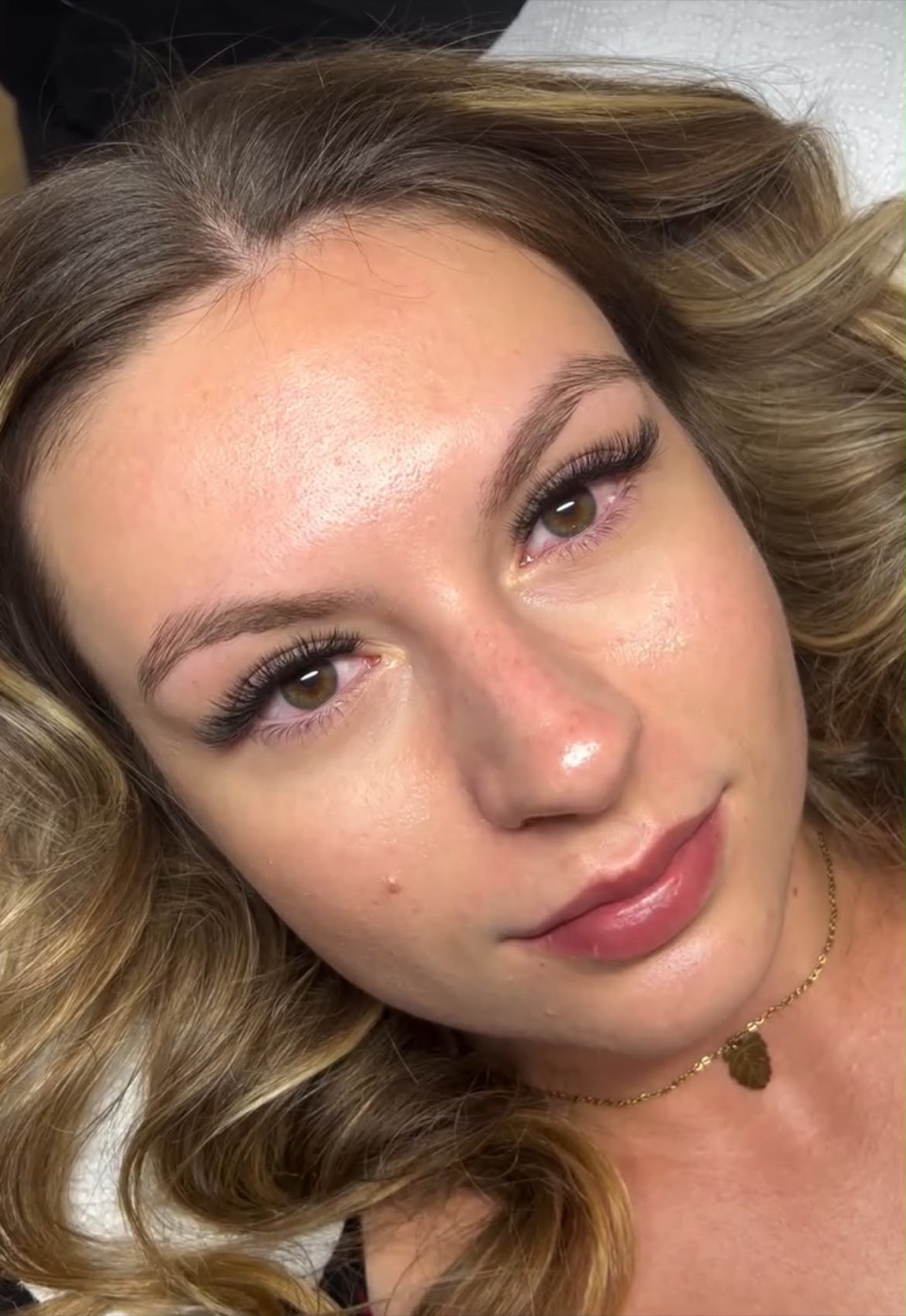
Jet black synthetic fibers create a strong visual contrast against skin and iris colors. In direct sunlight, this contrast can resemble a thick line of liquid eyeliner. Brown extensions absorb light more gently, creating an airy frame that lets your natural eyes take center stage.
Professional lash educators frequently classify brown extensions as the preferred choice for understated, makeup-free aesthetics, while reserving deep black for bold contouring.
The difference becomes especially apparent when you step outdoors into direct morning sun, where black synthetic fibers reflect light with a slight sheen while matte brown fibers look like healthy natural hairs.
Who Benefits Most from Brown Lashes?
Brown extensions are particularly suited to clients who:
- Have blonde, red, or light brown natural hair.
- Have light eyelashes or pale eyebrows.
- Wear minimal eye makeup day to day.
- Want people to notice their eyes rather than their extensions.
These are practical starting points rather than rigid rules. Dark brown can look stunning on clients with dark hair who want a relaxed everyday style. Conversely, fair-haired clients who love dramatic eyeliner can wear deep black with great results.
Your skin tone alone should not dictate the choice. Consider your eyebrows, natural lash color, and regular makeup habits. If you never wear black mascara, jumping straight into dark black extensions can feel startling.
Understanding Brown Undertones
Brown is not a single uniform shade. Extension manufacturers produce multiple tone families:
- Caramel and copper: warm, golden shades that complement strawberry blonde or auburn hair.
- Mocha and chestnut: medium neutral browns that provide clear definition with soft edges.
- Dark chocolate and espresso: deep shades that appear almost black at first glance, softening only in daylight.
Because brand color names vary widely, ask to see the physical lash trays under studio lighting rather than relying on a name on a box. A cool dark espresso is the safest starting point if you want softness without reddish undertones.
If you worry that brown might appear too pale, starting with dark espresso provides an easy middle ground.
Can You Blend Brown and Black Extensions?
Yes. Blending brown and black fibers within the same set adds dimensional depth. Distributing ten to twenty percent fine black fibers through a predominantly dark brown set gives subtle root density while keeping the tips soft.
Several blending patterns work well:
- Dark brown as the main body with subtle black accents along the lower lash line layer.
- Two tones of brown mixed together for organic color variation.
- A step-by-step transition from black to brown across consecutive refill appointments.
Rigid percentage rules are unnecessary. The exact mix should be adapted to the density of your set and how much definition you want around the pupil.
How Noticeable Is the Difference in Daylight?
Light and medium brown shades are immediately distinguishable in normal room lighting. Dark espresso brown behaves differently: from across a room it looks black, but up close it softens facial expressions noticeably.
Client feedback on beauty forums mirrors this reality. Many women with light features find that black extensions look stark in bare-face photos, whereas espresso brown gives them an effortlessly refreshed appearance.
Application density also shifts the perceived color. Dense volume fans cluster fibers together, making even a medium brown look substantially darker.
Style Influences the Finished Result
For the softest aesthetic, classic sets with single fibers attached to each lash are ideal. Hybrid sets blend singles with delicate two-to-three-dimensional fans for gentle fluffiness without heavy density.
To keep the overall look delicate, these parameters matter just as much as color:
- Lengths kept close to your natural eyelashes.
- Gentle curl profiles like B or C that lift rather than hook.
- Classic or airy hybrid placement.
- An open, textured lash line rather than a solid black band.
Even a black set can look subtle if the fibers are ultra-fine and closely matched to natural lengths. Conversely, an oversized, dense brown set will still look heavily made up.
Making Your Decision at the Consultation
Ask your lash artist to hold trays of dark brown and black side by side against your skin. Be specific about your preference during the consultation:
A clear description makes everything easier:
For fair skin or blonde hair, dark espresso brown remains the most harmonious starting point. A brown-black blend suits anyone wanting subtle contouring, while pure black is ideal if crisp definition is your main goal.
Frequently Asked Questions
Do brown lash extensions look red in the sun?
Warm tones like caramel have golden undertones, but cool espresso or dark chocolate shades stay neutral brown even in bright outdoor light.
Can you tell the lashes are brown from a distance?
Dark espresso brown reads as a softer black from a few feet away. Medium and honey browns are noticeably brown even from normal conversational distance.
Are brown lash extensions priced the same as black?
At Lashes Sarah Krasnic Graz, brown extensions are priced identically to black sets based on the technique used.
Can I switch to brown lashes at my next refill?
Yes. Sarah can begin placing dark brown extensions during your refill, creating a gentle gradient until the old black extensions grow out completely.
Sources and notes (3)
All facts and recommendations were verified using official guidelines and scientific sources.